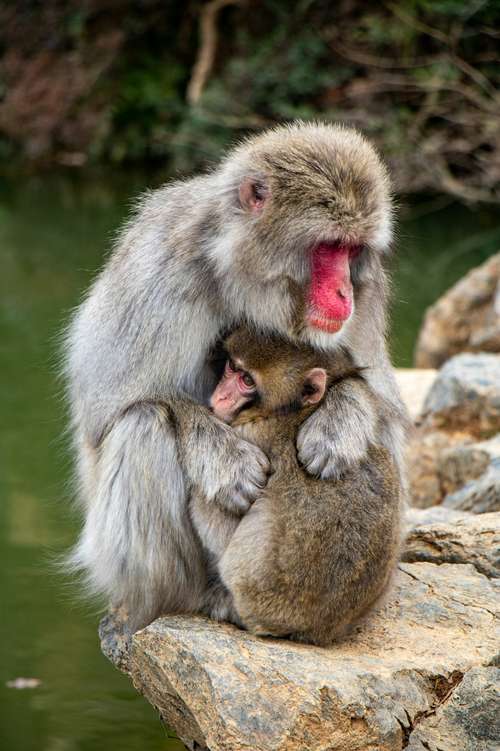
In a surreal collision of internet subcultures, controversial influencer Tristan Tate has ignited a global firestorm with a bizarre $250,000 bid to purchase Punch, a viral baby Japanese macaque. The seven-month-old monkey, currently residing at the Ichikawa City Zoo in Japan, captured the world's heart after being rejected by his mother and clinging to an IKEA orangutan plushie for comfort. The Tristan Tate monkey offer came swiftly after footage circulated showing the small macaque being dragged by older monkeys, prompting Tate and his brother Andrew to intervene with a quarter-million-dollar promise to "rescue" the animal. As the hashtag #HangInTherePunch trends worldwide, the internet is now divided between those cheering the Tates' financial flex and animal welfare advocates warning against the commodification of wildlife.
The Heartbreaking Story of Baby Monkey Punch
To understand the magnitude of this viral moment, one must first understand the subject: a tiny, resilient snow monkey named Punch (or Punch-kun). Born in July 2025 at the Ichikawa City Zoo, Punch faced immediate hardship when his mother refused to care for him. Zoo staff stepped in to hand-rear the infant, but to soothe his loneliness, they gave him a bright orange orangutan soft toy. The image of the small macaque dragging his Japanese macaque plushie—which is nearly his own size—across the enclosure became an instant internet sensation.
However, the narrative shifted from adorable to alarming for many viewers earlier this week. New videos emerged showing Punch struggling to integrate with the zoo's macaque troop. In one widely shared clip, an adult female is seen dragging Punch by his fur while he screams and retreats to his plushie for safety. While experts note this is often natural disciplinary behavior in primate societies, the visual was enough to trigger a massive emotional response online, setting the stage for the Tate brothers' involvement.
Inside the $250,000 Tristan Tate Monkey Offer
On February 19, the situation escalated from a niche animal news story to a major influencer controversy. Tristan Tate, responding to the distressing footage on X (formerly Twitter), publicly demanded to know the location of the animal. "Which Zoo owns this monkey? @Cobratate and I will buy it. 250,000 dollars. I am NOT joking," he posted. The tweet immediately went viral, amassing millions of views and drawing his brother, Andrew Tate, into the conversation.
The offer frames the potential purchase as a rescue mission. The Tates, known for their displays of extreme wealth and often polarizing views on dominance and hierarchy, positioned themselves as the only ones capable of saving the viral monkey with stuffed toy from his "bullies." This narrative struck a chord with their fanbase, who began spamming the zoo's social media accounts demanding they accept the cash and release the monkey to the influencers.
Can You Actually Buy a Zoo Animal?
Despite the massive sum offered, the legality and ethics of such a transaction are murky at best. Legitimate zoological institutions like the Ichikawa City Zoo are part of international conservation networks and generally do not sell animals to private individuals, regardless of the price tag. Japanese macaques are wild animals with complex social needs that cannot be replicated in a private home, even a wealthy one. As of now, the zoo has not publicly engaged with the offer, focusing instead on Punch's care.
Zoo Officials Defend Natural Socialization
While the internet cries foul over the "bullying" videos, zoo experts are urging the public to look closer. The interactions seen in the viral clips, while harsh to human eyes, are a critical part of a macaque's development. Ichikawa City Zoo released a statement clarifying that Punch is not being abused but is learning the strict social hierarchy of the troop. "While Punch is scolded, he shows mental strength and resilience," the zoo explained.
Reintegration is a delicate process. If Punch is removed now, he would likely never learn to communicate with his own species, condemning him to a life of isolation as a human pet. The Ichikawa City Zoo viral macaque is reportedly making progress, with recent updates showing him being groomed by other monkeys—a key sign of acceptance. The zoo has asked the public to "support Punch's efforts" rather than pity him, reinforcing that his best chance at a normal life is remaining with his troop, not in a luxury mansion.
The Internet Debate: Rescue vs. Reality
The weird world animal news cycle has spun this story into a major debate. On one side, Tate supporters argue that $250,000 could vastly improve the zoo's facilities or that Punch deserves a life free from the aggression of the troop. They view the "tough love" approach of the zoo as cruel and unnecessary. On the other side, conservationists and primatologists argue that money cannot buy maternal bonds or social skills.
Critics of the offer point out that buying a wild animal sets a dangerous precedent, potentially fueling the illegal wildlife trade. They argue that the Tates' intervention is less about animal welfare and more about publicity. Meanwhile, the hashtag #HangInTherePunch continues to trend, serving as a rallying cry for those who simply want to see the little monkey succeed on his own terms. Whether he eventually drops the plushie and becomes a dominant member of the troop remains to be seen, but for now, Punch is the most famous monkey on the planet—and he's not for sale.