Elephant Seals: Masters of Enemy Memory
There’s something truly mesmerizing about the natural world that makes our hearts skip a beat. When you think of majestic marine mammals like elephant seals, you might picture their massive size and thunderous roars on a rugged coastline. But did you know that these giant creatures also harbor an incredible memory for past adversaries? Recent wildlife studies have revealed that elephant seals not only survive in harsh environments but also remember their enemies over long periods. This ability plays a crucial role in their group dynamics during breeding seasons and helps them avoid unnecessary conflict, all while preserving precious energy for survival.
Observing these animals brings to light how animal cognition can be as sharp as it is unexpected. It’s like having a built-in rival tracking system! Imagine if you could remember every unpleasant encounter and use that memory to steer clear of trouble—elephant seals do just that. Over extended periods, they not only recall individual interactions but also tweak their behavior based on past experiences. Isn’t it fascinating?
The Science Behind Elephant Seals' Animal Memory
In this section, we explore what research tells us about elephant seals and their extraordinary memory skills. Elephant seals are not just physically imposing; they are smart when it comes to social order and enemy identification.
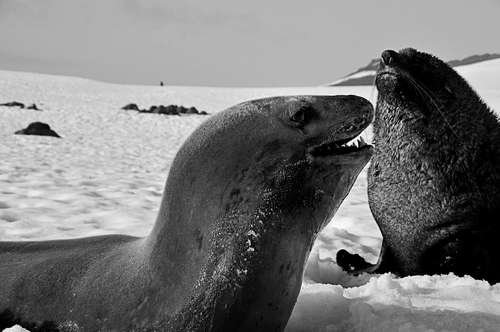
Researchers have been observing seal behavior for years. They noticed that during breeding seasons, elephant seals exhibit distinct reactions when encountering rivals. For example, if a particular male had been aggressive in previous seasons, the other elephants seals might approach him with caution. This adjustment is a clear example of animal memory at work, where past experiences shape current decisions.
Some marine mammals show rudimentary memory functions, but elephant seals take it a step further. They seem to recollect specific opponents and may even communicate this knowledge within their social groups. This level of predator recognition—even though these rivals are not actual predators—plays into a broader understanding of enemy identification and social structuring. It’s truly like they have an internal ledger of every “tiff” they’ve had before!
The intricacies of seal research continue to amaze scientists. When observing these animals, researchers have remarked on how closely the seals' actions mirror learned behaviors found in higher mammals. Animal cognition in elephant seals is redefining what we thought we knew about marine mammal behavior. Even though they live in vastly different environments, humans and elephant seals share that crucial element of memory that can significantly alter interactions.
Social Dynamics and Seal Behavior on the Beach
This section delves into the social structures of elephant seals. Their behavior on the beach is not just about raw power but also about nuance in social interaction and enemy recognition.
Imagine a chaotic gathering of robust, booming cries. Elephant seals often engage in loud battles and displays of strength during the breeding season, yet there is a surprising element of strategy behind it all. They remember which encounters were particularly volatile and which seals posed a genuine threat to their status. This careful observation is key to their hierarchy on the beach. Some seals even avoid potential conflicts based solely on a negative memory from a past encounter, saving both time and energy.
The community of elephant seals is a complex one. Over time, seals become known for their specific temperaments. This kind of memory allows them to form alliances and avoid unnecessary confrontations, balancing aggression and caution. The idea of seal conservation takes on a whole new meaning when we consider that each animal is not only physically formidable but also mentally astute when it comes to dealing with competitors.
Just as in human social circles, reputation matters—a lesson that these marine mammals seem to have learned well. Their ability to recall prior interactions means that a misstep one season can echo into the next, influencing behavior in a way that maintains the natural order of power. It’s almost as if they possess a natural ledger of reputations that helps them navigate the high-stakes environment of their breeding colonies.
Enemy Identification and the Role of Memory in Seal Conservation
Let’s take a moment to focus on how enemy identification ties into broader ecological and conservation efforts. Through seal research, scientists have gleaned vital insights into the importance of memory in animal cognition and seal behavior. This knowledge directly influences current conservation strategies.
Understanding that elephant seals remember aggressive encounters helps researchers plan conservation activities more effectively. It informs how we might manage breeding colonies to reduce stress and injury among individuals. When you look at these fascinating creatures, it becomes clear that their interactions are guided by a finely tuned balance between instinct and learned behavior.
Real-world examples from ongoing wildlife studies show that by reducing environmental stressors, we can help reinforce positive interactions among these marine mammals. This is important not only for the seals themselves but also for the overall health of the coastal ecosystems they inhabit. Ultimately, when we appreciate the role of animal cognition in predator recognition, it helps us see the full picture of how natural systems regulate themselves without human intervention.
In many ways, the seal's memory is a metaphor for the need for careful observation and thoughtful conservation. Just as wise old folks say, 'Remember where you came from and who you’ve met,' elephant seals use their memory to chart their course on crowded rookeries. This kind of insight is invaluable, offering a window into the broader canvas of animal behavior and survival strategies.
Personal Reflections on Seal Research and Future Discoveries
This final section is a chance to reflect on the broader implications of these fascinating insights into elephant seals. What can we learn from their keen memory and strategic behavior?
I often think about how, as humans, our past experiences shape our decisions. Elephant seals are a reminder that memory isn't just a mental faculty but a survival tool honed by evolution. Watching researchers gather data, it's evident that the seals' recall of previous conflicts offers vital clues about their internal social hierarchies. Their memory does more than just record— it defines their future actions. In this way, every encounter lays the groundwork for what might happen next on the rookeries.
Learning about these remarkable animals makes you wonder about the untapped secrets of the animal kingdom. How many other marine mammals or even land creatures use similar tactics? The answer might just be hiding beneath the waves in a private world of silent, yet sophisticated communication among nature’s titans.
Seal conservation efforts benefit greatly from such research. If we blend human ingenuity with nature’s inherent behavioral wisdom, there’s hope for preserving these grand creatures and their habitats for generations to come. It’s a testament to nature’s enduring ability to adapt and evolve, making every new discovery an invitation to reimagine the future of wildlife studies.
In conclusion, elephant seals are not only physical giants of the ocean but are also masters of enemy recognition. Their ability to remember past confrontations creates an intricate social structure that surprises and enlightens us. Through careful observation and thoughtful research, we gain valuable insights into animal cognition and behavior—a narrative that is as much about the evolution of a species as it is about the delicate balance between memory and survival in the wild.