American chain restaurants have become a staple in the cultural landscape, offering affordable and reassuring dining experiences. Yet, these familiar institutions face challenges as economic conditions shift and dietary trends evolve. In seeking new lifelines, some chains have embraced the viral cheese pull as a marketing tool, transforming social media into a powerful ally designed to lure diners back into their establishments.
The Viral Cheese Pull Phenomenon
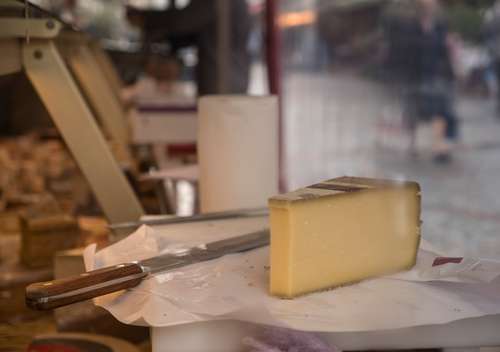
Social media platforms, particularly TikTok, have popularized the "cheese pull," where diners showcase gooey strings of cheese stretching from a slice of pizza or mozzarella sticks. These visually compelling videos can attract millions of views, driving diners to seek out the dishes in real life. Sara Rafael, a food enthusiast from Ireland, included several American chains on her dining itinerary thanks to recommendations and cheese pulls she watched on TikTok. As Stephen Zagor, a restaurant industry expert, emphasizes, restaurants need viral moments like these to avoid vanishing into what he describes as "the wallpaper.
Chili's and the Cheese Pull Success
Few have capitalized on the viral cheese pull as effectively as Chili's. The Tex-Mex chain's Triple Dipper—featuring fried mozzarella sticks—became a social media sensation. In fiscal year 2025, the Triple Dipper generated significant sales, accounting for 15% of Chili's sales at that time. George Felix, Chili's Chief Marketing Officer, attributes the surge in popularity to social media. The exposure prompted Chili's to innovate, introducing flavors like Nashville Hot and Honey-Chipotle to cater to the dish's growing fandom.
For a chain struggling with the "wallpaper" effect, such momentum can be transformative. As Felix notes, "Chili's is back in the culture," as the buzz surrounding its cheese pulls and subsequent sales growth attests.
Influencers and the Cheesy Appeal
Karissa Dumbacher, who shares her culinary experiences on TikTok as @karissaeats, understands the allure of visually captivating content. Her focus on picture-perfect cheese pulls and other food phenomena has amassed over 4.5 million followers, boosting the profiles of the restaurants she features. Dumbacher's success illustrates how influencers can drive diners to discover new or familiar chains, without direct financial incentives from the restaurants themselves.
By leveraging social media, these videos do more than showcase meals; they provide “free” advertising for the chains, placing them in the social media spotlight without traditional ad spend.
The Role of Social Media in Restaurant Recovery
For many chain restaurants, social media is becoming a crucial business driver, surpassing traditional advertising avenues like television and billboards. Michael Lindquist of the media company BarkleyOKRP notes that social media serves as an "infinite feedback loop" for brands, influencing how they interact with audiences and shape their marketing strategies.
However, Zagor warns that virality alone cannot guarantee long-term success. While such trends drive initial interest, the reality is that genuine, lasting appeal must stem from the quality of the dining experience itself.
Balancing Trend and Tradition
Despite the appeal and economic benefits of viral trends like cheese pulls, the emphasis on picturesque moments can overshadow the actual dining experience. Zagor highlights a concerning trend among younger diners who prioritize capturing visually appealing food photos over savoring the dishes themselves. Such behavior raises questions about the future direction of dining culture—will it favor fleeting social media hits or deeper culinary connections?
Ultimately, while cheese pulls have proven a successful marketing tool, they are just one aspect of a broader strategy that must include quality food and genuine customer experiences to ensure chain restaurants not only survive but thrive.