McDonald’s CEO Chris Kempczinski has unwittingly become the internet's latest main character, and not for the reasons the fast-food giant hoped. As the chain rolled out its massive new Big Arch burger nationwide this week, a promotional video featuring Kempczinski attempting to tackle the sandwich went spectacularly viral. The clip, intended to hype the launch, instead showcased a series of awkward fumbles, corporate-speak, and a tentative "micro-bite" that has sparked a relentless wave of fast food memes in 2026.
The Viral Video That Sparked a Social Media Roast
The controversy began when Kempczinski posted a video to Instagram and TikTok on March 1, ostensibly to celebrate the US debut of the Big Arch burger. Standing in a sterile office setting, the executive presented the towering 1,020-calorie sandwich with the enthusiasm of a man holding a radioactive isotope. Internet sleuths and casual viewers alike immediately latched onto his stiff demeanor.
In the clip, Kempczinski repeatedly refers to the food as "the product," a choice of words that alienated viewers looking for genuine excitement. "I love this product. It is so good," he recites, before puzzling over "how to attack" the two-patty behemoth. The climax of the video—and the source of the McDonald's marketing fail narrative—comes when he takes an imperceptibly small nibble from the edge of the bun, only to declare, "That's a big bite for a Big Arch!"
Social media users were quick to dissect the footage. Comments ranged from "Man's aura screams kale salad" to accusations that he looked "visibly afraid" of the meal. The contrast between the burger's "bold and hungry" marketing and the CEO's delicate, surgical approach created a perfect storm for a viral taste test disaster.
What is the ‘Big Arch’ Burger?
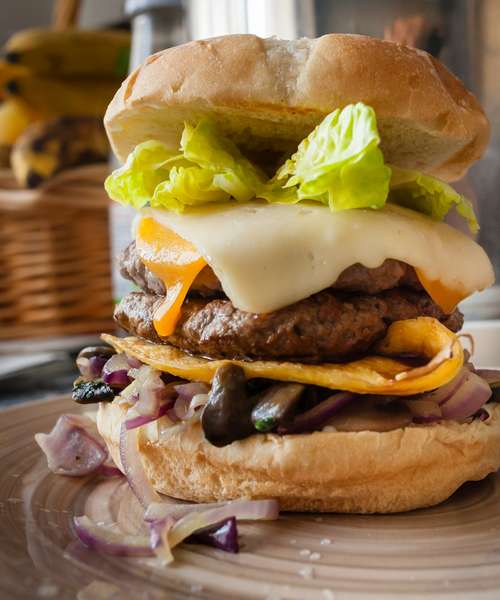
Despite the Big Arch disaster TikTok trend, the burger itself is a significant addition to the McDonald's menu. Billed as the first permanent global menu item since the Chicken McNuggets in 1983, the Big Arch is designed to satisfy customers asking for larger portions and better value. It features:
- Two quarter-pound 100% beef patties
- Three slices of melting white cheddar cheese
- Crispy onions and slivered onions
- A new tangy "Big Arch Sauce" with mustard and pickle notes
- A toasted poppy and sesame seed bun
First tested in international markets like Canada and Portugal in 2024, the burger was meant to be a "quintessential McDonald's" experience. However, the McDonald's CEO viral video has overshadowed the culinary details, shifting the conversation from flavor profiles to corporate awkwardness.
Competitors Join the Fun
The Big Arch burger fail didn't escape the notice of McDonald's rivals. In a move that amplified the mockery, Burger King North America President Tom Curtis posted his own video just hours later. In stark contrast to Kempczinski's pristine suit and tiny bite, Curtis filmed himself aggressively devouring a Whopper, getting mayonnaise on his face and offering a thumbs-up.
This playful jab highlighted the disconnect viewers felt with Kempczinski's video. While the Burger King executive leaned into the messy reality of eating fast food, the McDonald's chief appeared to be performing a simulation of human lunch—a sentiment echoed by thousands of comments debating whether he had ever actually eaten a burger before.
The 'Micro-Bite' Phenomenon
The term "micro-bite" has started trending alongside the video, describing the phenomenon of corporate leaders attempting to look relatable while clearly uncomfortable. Analysts suggest that while the Chris Kempczinski funny memes are embarrassing, they have ironically generated massive awareness for the product launch. As of March 3, 2026, the hashtag #BigArchChallenge has garnered millions of views, with users filming themselves taking the biggest possible bites to mock the CEO's effort.
Impact on the Brand
While the video may go down in history as a classic McDonald's marketing fail, it hasn't necessarily hurt sales. Early reports indicate that curiosity is driving foot traffic, as customers flock to stores to judge the "product" for themselves. However, the incident serves as a cautionary tale for executives in the digital age: authenticity cannot be staged, and the internet's bullshit detector is sharper than ever.
For now, Kempczinski remains the face of the brand, though PR experts predict he may step back from future food-tasting promotions. As the dust settles, the Big Arch stands as a testament to McDonald's ambition—and a permanent reminder that you should never call a cheeseburger a "product" on camera.