
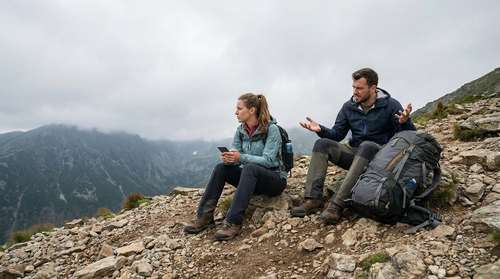
Imagine scaling a steep, rocky trail miles away from civilization, breathless and exhausted, only to look up and realize your date is completely gone. This chilling scenario is at the heart of the Alpine Divorce trend, a controversial phenomenon that has rapidly become one of the most toxic viral dating trends 2026 has to offer. Across social media platforms this April, a fresh wave of individuals—predominantly women—are sharing harrowing accounts of being abruptly abandoned by their romantic partners during strenuous outdoor activities. What begins as a scenic spring getaway or an adventurous first date is quickly transforming into a dangerous, isolating nightmare.
What Exactly Is an 'Alpine Divorce'?
Despite its formal, legal-sounding name, an "Alpine Divorce" does not require a lawyer, paperwork, or even a marriage license. Instead, it serves as a dark modern shorthand for a brutal breakup tactic where one partner intentionally outpaces, deserts, or abandons the other in a remote wilderness setting. The phrase actually traces its origins back to an 1893 short story by author Robert Barr, "An Alpine Divorce," in which a husband plots to push his wife off a cliff in the Swiss Alps. Today, the term has been resurrected to describe terrifying extreme breakup stories where conflict avoidance meets physical endangerment.
Psychologists and relationship experts argue that this behavior stems from profound emotional immaturity, manipulation, and an inability to communicate. Instead of engaging in a difficult, mature conversation to end a relationship, the abandoning partner simply walks away. They often weaponize the environment, citing frustration over differing fitness levels or an impromptu desire to "push ahead" to the summit. The result is one of the most glaring dating red flags 2026 has brought into the cultural spotlight, turning a lack of basic empathy into a physical threat.
TikTok Relationship Drama Meets Real-World Danger
The discourse around this disturbing trend hit a fever pitch earlier this year and continues to dominate timelines as the weather warms up. It entered the mainstream when TikTok user @EverAfterIya posted a tearful video from a desolate mountain trail, recounting how her date marched ahead and left her entirely alone. Amassing over 25 million views, the video unleashed a massive wave of shared trauma. The comment sections quickly transformed into a makeshift support group for survivors of similar hiking date disasters.
The Gender Dynamics of the Trail
Women across platforms are detailing how they were left to navigate treacherous terrains, often without adequate water, offline maps, or cellular service. This specific brand of TikTok relationship drama highlights a dark intersection between modern dating culture and outdoor vulnerability. Experts note that there is a stark gender dynamic at play: men often have the privilege of feeling inherently safe in remote public spaces, while women are socially conditioned to be on guard. When a male partner abandons his date in the woods, he isn't just being rude; he is stripping away her safety net and exploiting her vulnerability in an unfamiliar environment.
From Bad Manners to Criminal Negligence
While some dismiss these incidents as merely callous behavior from toxic partners, recent legal actions prove that the Alpine Divorce trend carries severe, sometimes fatal, consequences. In February 2026, an Austrian court handed down a conviction to amateur mountaineer Thomas Plamberger for gross negligent manslaughter. Plamberger had abandoned his girlfriend, Kerstin Gurtner, on Austria's highest mountain, the Grossglockner, at 2:00 a.m. in plummeting -8°C temperatures. He descended to a mountain hut to seek help but did not return until six and a half hours later, by which time Gurtner had tragically died of hypothermia.
This landmark case has forced daters and outdoor enthusiasts alike to recognize that leaving a partner stranded in high-altitude or unfamiliar terrain is not just a messy breakup—it is a life-threatening act. Legal experts and outdoor safety advocates warn that intentionally deserting an inexperienced hiker in a high-risk environment could easily lead to misdemeanor or even felony endangerment charges in the United States. A hiking partner assumes a basic duty of care, and abandoning that duty has real legal ramifications.
Essential Outdoor Dating Safety Tips
With "adventure dates" remaining incredibly popular for people looking to escape the monotony of coffee shop meetups, it is crucial to approach wilderness excursions with strict caution, especially with new partners. Prioritizing outdoor dating safety can prevent a romantic hike from turning into a high-stakes rescue mission.
- Share Your Exact Location: Always inform a trusted friend or family member about your specific trail route, trailhead parking location, and expected return time. Set up a designated check-in window.
- Carry Your Own Gear: Never rely entirely on your date for vital supplies. Pack your own daypack with plenty of water, high-protein snacks, a basic first-aid kit, and a fully charged phone equipped with an offline GPS map.
- Meet at the Trailhead: Drive your own vehicle to the location. Having your own transportation means you have a guaranteed, safe way home if the date goes south and you need to leave immediately.
- Set Clear Boundaries Early: Discuss pacing and expectations before you even step onto the trail. If your partner refuses to compromise, hikes too far ahead, or mocks your fitness level within the first mile, turn back immediately.
As we navigate the complexities of modern romance, it is vital to remember that true partnership requires teamwork, patience, and mutual care. If someone is willing to literally leave you behind on a mountain when things get slightly difficult, they are showing you exactly who they are. When it comes to surviving the wilderness of modern dating, recognizing the red flags before you ever reach the summit is your absolute best defense.