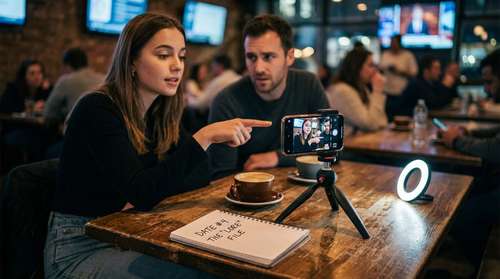
If you spent this weekend scrolling through TikTok, you likely encountered the viral saga of "The guy who asked for permission." In a video posted just yesterday that has already amassed 4.2 million views, a 24-year-old marketing coordinator recounts a first date where her companion, upon spotting a stunning woman at the next table, genuinely asked her, "What should I do?" In 2024, this would have been a ghosting offense. In 2026? It's prime content. Welcome to the era of Love-Loreing, the chaotic relationship trend where singles are ditching the search for "The One" in favor of gathering "The Lore."
The Rise of 'Love-Loreing': When Bad Dates Make Great Content
Love-Loreing is defined as the act of pursuing romantic connections primarily for the narrative value they add to your life's story. It is the spiritual successor to "doing it for the plot," but with a distinctly 2026 twist: the expectation of failure is baked in. According to a fresh report from Plenty of Fish released earlier this month, 37% of singles admit they have gone on a date specifically because they thought it would make a funny story for the group chat.
This shift explains why the "What should I do?" video didn't end in tears, but in a three-part series analyzing the sheer audacity of the interaction. For Gen Z daters, a disastrous evening is no longer a waste of time; it is character development. The "lore"—a term borrowed from gaming and fantasy fandoms—refers to the background information that fleshes out a universe. In dating, your "lore" is the collection of unhinged, awkward, or cinematic romantic encounters that define your "main character energy."
Why 2026 Dating Trends Favor Chaos Over Chemistry
The pivot to Love-Loreing hasn't happened in a vacuum. It sits alongside other emerging buzzwords like ChemRIZZtry (unexpected attraction based on charisma) and Curveball-Crushing (falling for someone completely opposite to your usual type). After years of "intentional dating" and rigid checklists, the pendulum has swung violently toward spontaneity.
Current relationship discourse on X (formerly Twitter) this week has been dominated by the "Nihilist Penguin" meme—a viral clip of a penguin walking aimlessly inland—which daters are using to symbolize their romantic lives. The sentiment isn't despair, but a dark humor: "I am just walking into the unknown to see what happens," one viral tweet read on Saturday. This fatalistic optimism is the fuel for Love-Loreing. If the relationship is doomed anyway, you might as well get a viral tweet out of it.
The End of the 'Spark' Chase
Traditional dating advice emphasized finding a "spark" instantly. Love-Loreing rejects this pressure. Instead, it encourages singles to say "yes" to the guy who suggests a first date at a taxidermy workshop or the girl who wants to meet at a haunted house. The weirdness is the point. If it works out, you have a unique "how we met" story. If it crashes and burns, you have fresh lore.
How to Identify 'Main Character Energy' in the Wild
You might be accidentally Love-Loreing if you find yourself making decisions based on how they would look in a movie montage. This "main character energy" is central to 2026 dating culture. It changes the question from "Do I like him?" to "Is this an interesting plot twist for this season of my life?"
Signs you are part of the Love-Loreing trend:
- You romanticize red flags: Instead of running from emotional unavailability, you view it as the "villain arc" of your current season.
- You text for the screenshot: Conversations are engineered to be shared with friends later.
- You date 'side characters': You give chances to people you have zero long-term compatibility with, simply because they are eccentric or entertaining.
The Dark Side of Dating for the Plot
While entertaining, experts warn that treating people like NPCs (non-player characters) in your personal movie can lead to emotional burnout. The "Nihilist Penguin" discourse highlights a growing fatigue among daters who are tired of performing their lives for an audience. There is a fine line between finding humor in a bad situation and manufacturing drama for engagement.
However, proponents argue that Love-Loreing is a coping mechanism for a dystopian dating landscape. With apps becoming increasingly expensive and paywalled in 2026, finding enjoyment in the absurdity of the process is a survival skill. It reclaims power: you can't hurt me with your bad behavior because I am already drafting the tweet about it.
Will Love-Loreing Last?
As we move further into 2026, the trend shows no signs of slowing down. The viral stories from this weekend prove that we are collectively hungry for authenticity, even—and perhaps especially—when it is messy. Whether you are looking for a soulmate or just a good story, the advice for this year is clear: Do it for the plot, but don't forget you are the one writing it.