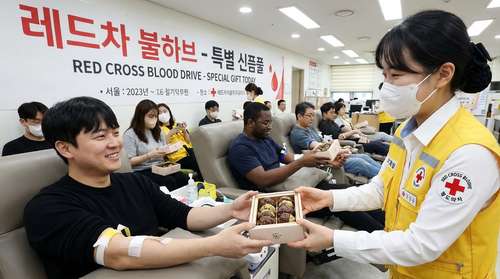
In a desperate bid to combat critical shortages, South Korea is bribing blood donors with viral 'Dubai-style' cookies, transforming a medical emergency into the latest viral food trend of 2026. The initiative, led by the Korean Red Cross, offers the elusive "Dujjonku"—a chewy, pistachio-filled treat—to anyone willing to roll up their sleeve. The strategy has proven wildly successful, with some donation centers reporting that visitor numbers have more than doubled overnight as fans clamor for the sold-out dessert.
The 'Dujjonku' Craze: Why Koreans Are Bleeding for Sweets
The centerpiece of this unusual campaign is the "Dujjonku," a localized spin on the global Dubai chocolate viral sensation. A portmanteau of "Dubai," "jjondeuk" (chewy), and "cookie," the dessert features the signature crunchy kadaif (shredded phyllo pastry) and pistachio cream filling, but wraps it in a cocoa-dusted, mochi-like marshmallow dough. This texture aligns perfectly with Korean tastes, sparking a viral dessert craze that has seen lines forming at 4 a.m. outside bakeries in Seoul and Busan.
With the cookies selling out within minutes at commercial cafes, the Red Cross saw an opportunity. By securing a supply of the treats for donors, they turned blood centers into the only places where the dessert was guaranteed in stock. "I never really cared about donating blood before, but I couldn't find the cookie anywhere else," admitted Kim Jo-eun, a 21-year-old student who visited a center in Hongdae this week. "It's a win-win. I get the snack, and I help save a life."
Desperate Times Call for Delicious Measures
The campaign comes as South Korea faces a severe demographic and medical crisis. With the nation's blood reserves plummeting to just 3.4 days' worth of supply—well below the safe five-day threshold—health officials were forced to innovate. Traditional incentives like movie tickets and gift vouchers had lost their appeal, especially among younger demographics. However, blood donation incentives linked to viral food trends 2026 have struck a chord with Gen Z.
Statistics Show massive Success
The impact was immediate. According to the Seoul Central Blood Center, locations offering the pistachio cream cookies saw a 116% increase in participation compared to the previous week. In Suwon and Busan, where the shortage was most acute, turnout tripled on the first day of the promotion. Officials noted that the influx was primarily driven by teens and donors in their 20s, a demographic that had been increasingly difficult to engage.
A Sweet Solution to a Sticky Problem?
While the Dubai cookies South Korea campaign is a temporary success, it highlights a deeper issue. South Korea's rapidly aging population and record-low birth rate mean fewer eligible donors are available each year. The Ministry of Health and Welfare has praised the creative approach, with officials urging other sectors to adopt similar "trend-based" strategies. However, critics wonder if relying on fleeting fads like Dubai chocolate viral treats is a sustainable long-term solution.
For now, though, the strategy is working. As cold weather and school breaks threaten to dip reserves further, the Red Cross plans to expand the initiative to more centers across Gyeonggi and Gangwon provinces. For many Koreans, the chance to taste the year's most hyped dessert is worth the prick of a needle, proving that in the world of weird world news, sometimes the best way to a donor's heart is through their stomach.